Friday, January 30, 2009

Byzantine Art

ERiN

I honestly almost forgot about this one. Byzantine art was very 2-D and the one type of art that we studied the most was mosaics. A mosaic is a piece of artwork that is put together with tiny pieces called..... everyone forgot this word on our quiz. The word is tesserae!


Anyway.. when you look at a mosiac up close, it's just a bunch of colors, but when you step back you see the masterpiece.

In my opinion, the mosaics were really the only thing that intrested me in Byzantine art. Even some of them i didn't find appealing. I like when there is depth to artwork. Here's an example.


Wednesday, January 28, 2009

Egyptian Art

ERiN

This unit was the most memorable so far, and also seemed like the longest. However, that was a good thing. It was fun recollecting the process of mummification and reincarnation. Ancient Egyptian society is most likely among the most studied at least in our country.


Since I secretly still play with Barbies occasionally, I enjoyed cutting off all of her hair and wrapping her alive with that plaster. It took forever, but it was fun. Then, when it came to our shoebox tombs, they took even longer. It was fun decorating them when they were done, though.


African Art

ERiN

African Art was cool. We covered so much in this unit: from masks, to sculpture, and even ceremonies.


Secondly, the fun part was when we got to make our own masks. I probably would have liked to carve one out of wood, but construction paper was okay. Besides, it was intresting because it was two contrasting colors.


http://www.visitingdc.com/images/african-mask.jpg

http://www.eso-garden.com/images/uploads_bilder/tribal_african_art_3.jpg

Roman Art

ERiN

We didn't really talk that much about Romans, so I guess I'll talk about architecture. The Acropolis was the most significant building built and is still standing today. The Romans' use of roads and irrigation was new and helped future architects.


Since we didn't do a project for this one, I found this example of Roman sculpture.


Asian Art

ERiN

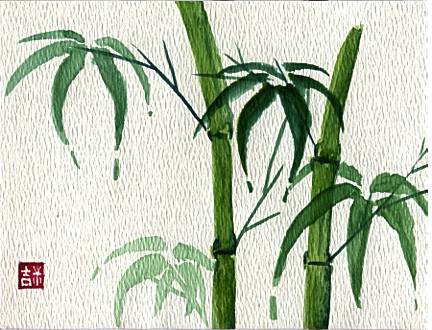
When we were covering Asian art, we did Chinese and Japanese at the same time. One of the key similarities that we learned was the style. They both were inspired by nature in their work. Also, they are very detailed and intricate. I had fun painting bamboo with the water colors. Mine turned out abstract.

I found this picture and decided to include it because it's The Great Wave! Done by Japanese artist, Hokusai. http://farm3.static.flickr.com/2142/2291705343_06c3ccfe7a.jpg
ERIN


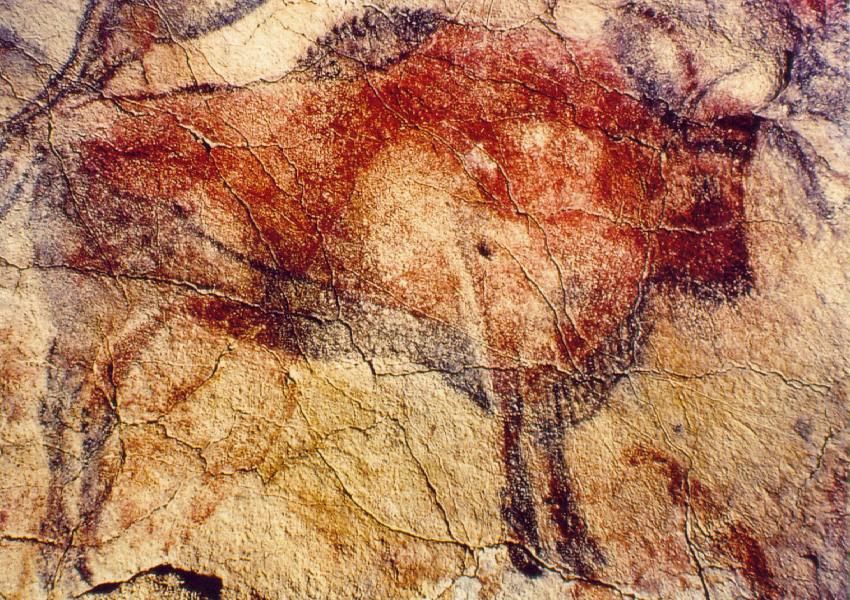
I learned a lot about Prehistoric Art, mostly Cave Art. The conditions and the way cave people had to paint in were hard to grasp. Painting on the pieces of paper bag with the different bases, spices, and jello was cool. We weren't working with exactly what they used, but it was similar to the method. Also, I learned that some paintings were done on parts of the wall where it protruded out. They used it to accentuate muscles and other parts of the animals' body.


http://www.artchive.com/


Cave paintings served the purpose of weakening animals before they were actually hunted. I found this concept interesting because they used art as a hunting ritual. The cave people didn't seem to understand much, so the only trace of their thoughts were recorded in cave paintings. There were paintings of animals most of the time, but there are a few of people. This prehistoric method of painting set a very early foundation for what we have now.